Outdoor footwear
Outdoor footwear is the most personal piece of gear you'll buy. No amount of spec comparison replaces trying them on, and no two feet respond the same way to the same boot. Get the fit wrong and everything else suffers - your pace, your confidence, your knees on the descent.
This page covers the full range of outdoor footwear from trail runners to expedition mountaineering boots, with a focus on helping you match the boot to the objective.
How the categories work
Outdoor footwear is built around a stiffness spectrum. At one end, trail runners flex with every step. At the other, mountaineering boots are essentially rigid platforms designed to transfer force into crampons and front-point ice. Everything between is a tradeoff between mobility, support, protection, and weight. The other axis is crampon compatibility. This matters more than most people realise when planning an alpine objective. Boots are rated B0 to B3:
- B0: no crampon compatibility
- B1: flexible crampons only, strap-on systems
- B2: semi-rigid crampons, C1 and C2 compatible
- B3: fully rigid crampons, all crampon types including step-in
Match the boot rating to the crampon rating before buying either.
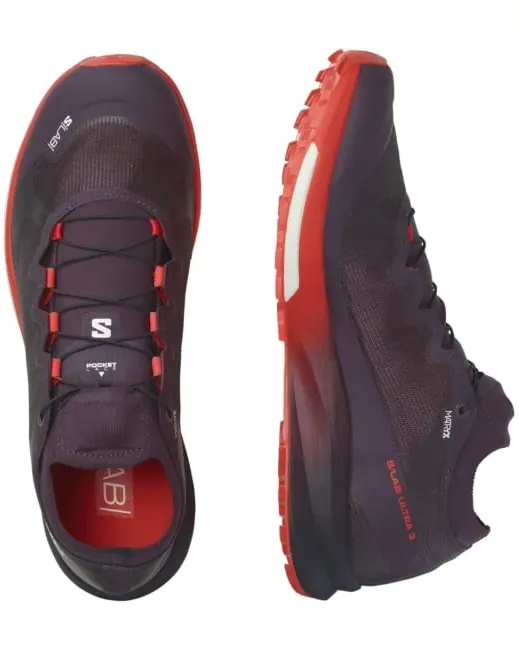
Trail-Running Shoes
The lightest option on the spectrum. Synthetic mesh uppers, EVA foam midsoles, aggressive rubber outsoles. They breathe well, dry fast, and cover ground quickly on maintained or moderate trails.
Weight: 250-400 g per shoe. Price: €70-150.
The tradeoff is protection and longevity. Thin soles and mesh uppers don't hold up on rough terrain or in wet conditions the way leather or synthetic hiking boots do. Durability runs 500-800 km depending on terrain.
Best for day hikes on good trails, ultralight backpacking, and trail running. Not appropriate for heavy loads, technical terrain, or anything requiring ankle support.
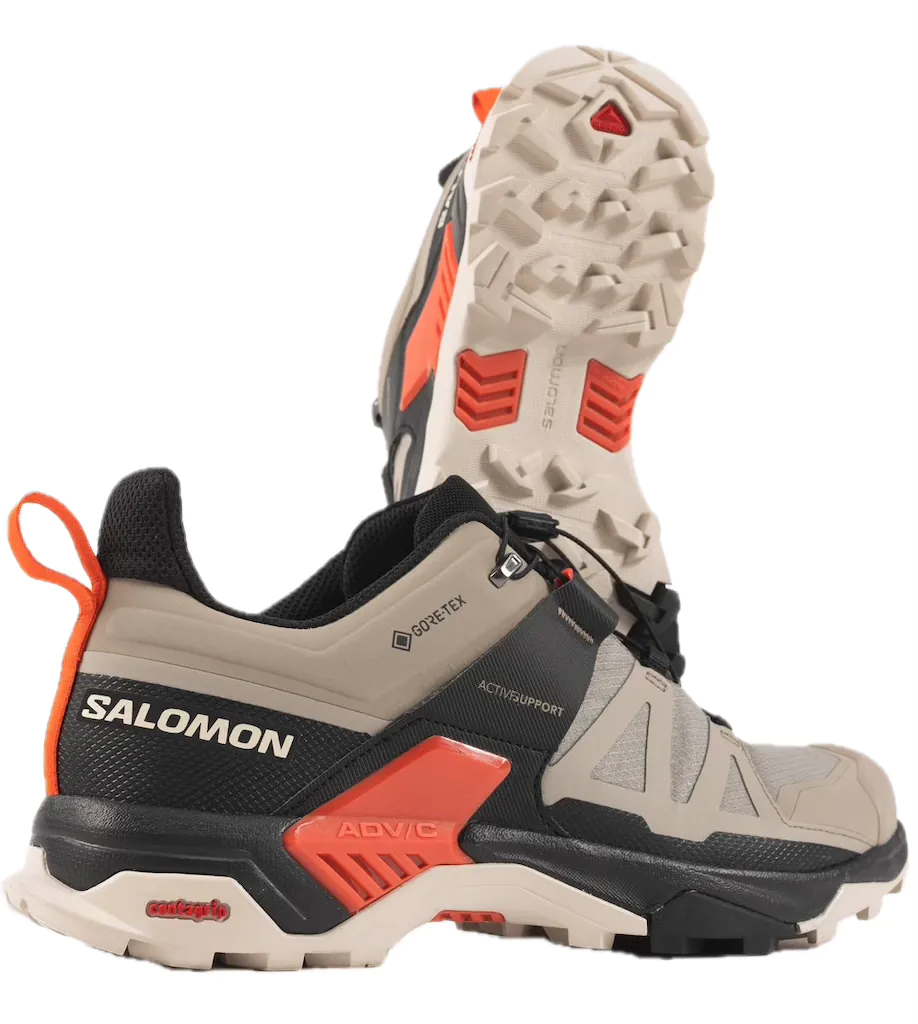
Hiking Shoes
Low-cut, sturdier than trail runners, more mobile than boots. Leather or synthetic uppers, firmer midsoles, better traction. A solid middle ground for hikers who want durability without the weight of a full boot.
Weight: 350-500 g per shoe. Price: €80-180. Durability: 800-1200 km.
The ankle cutout is the main limitation. On loaded descents or uneven ground, low-cut shoes offer less stability than a boot. For straightforward terrain and moderate loads they're a comfortable, practical choice.
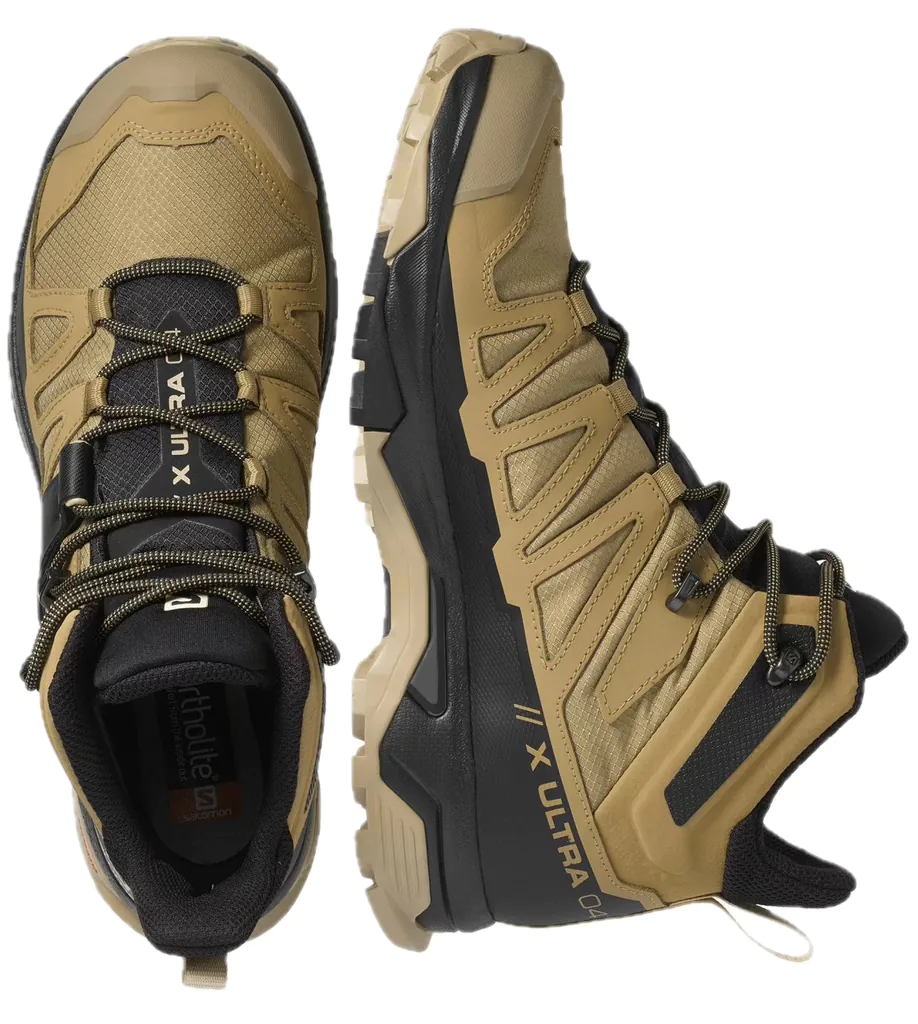
Hiking Boots
The most versatile category on the market and increasingly the most popular. High-cut ankle support, robust outsoles, leather or tough synthetic construction. They handle load, rough terrain, and multi-day use better than anything below them on the spectrum.
Weight: 500-800 g per boot. Price: €100-300. Durability: 1000-1500 km or more.
The range within this category is wide. Day hiking boots lean lighter and more flexible. Heavy hiking boots prioritise maximum support and durability. Most people land in the middle - a midweight boot that handles the majority of objectives without excess bulk.
Modern hiking boots have improved significantly on comfort. The old rule about needing months to break in a boot no longer holds. A boot that causes serious pain from day one is either the wrong fit or the wrong boot.
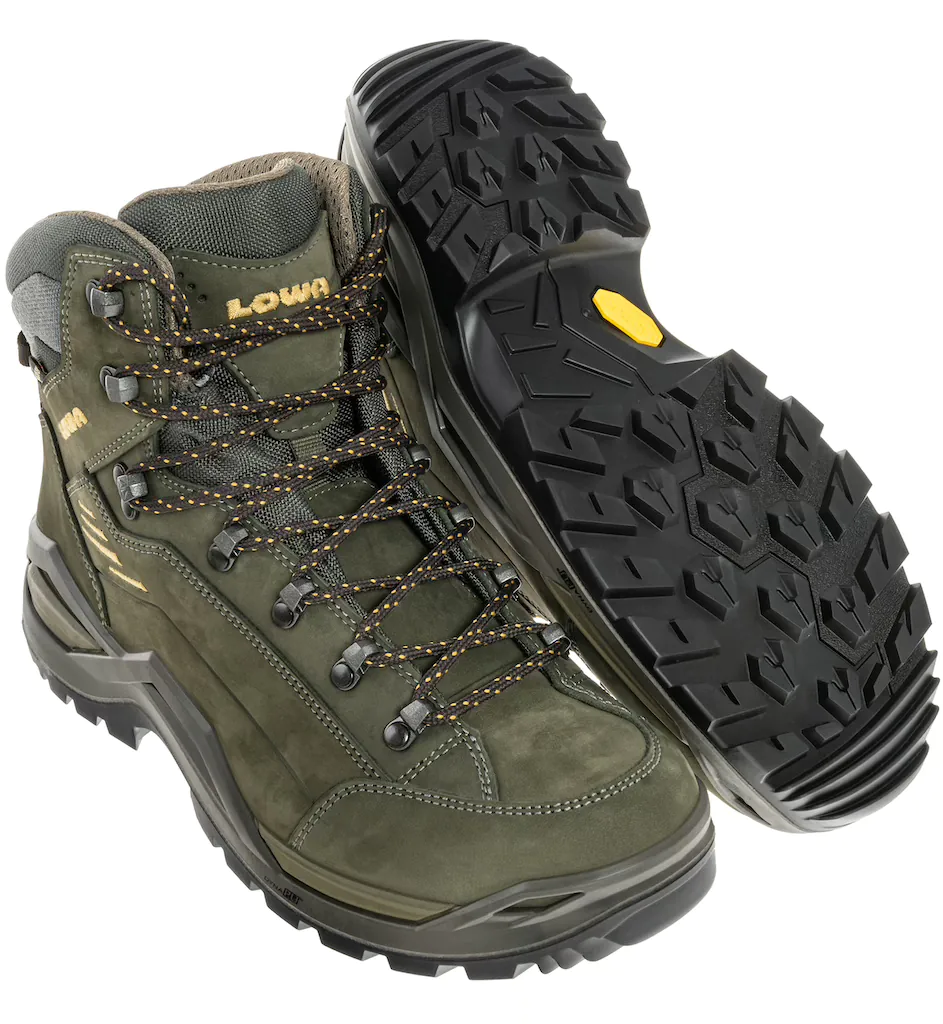
Backpacking Boots
Built for multi-day travel with heavy loads over demanding terrain. Thick, stiff midsoles, deep-lugged outsoles, high-cut uppers in leather or durable synthetic. They sacrifice mobility for load-carrying stability.
Weight: 600-1000 g per boot. Price: €150-300+. Durability: 1500+ km.
The stiffness that makes these boots reliable under load makes them less comfortable on easy terrain. They're a specialist tool. If you're not regularly carrying a heavy pack over rough ground for multiple days, a good midweight hiking boot does the job with less weight and more comfort.
Approach Shoes
The most underrated category on this list. Approach shoes bridge hiking and climbing - sticky rubber outsoles for grip on rock, reinforced toe caps for scrambling, enough structure for moderate trail distances.
Weight: 300-600 g per shoe. Price: €80-200. Durability: 800-1200 km.
For climbers and alpinists who spend as much time getting to the route as climbing it, approach shoes are the most versatile option available. I use the Scarpa Rapid XT Mid GTX for most non-mountaineering objectives. They handle trail, scrambling, and easy technical ground in a single pair.
One caveat: they're not built for wet or muddy conditions the way a waterproof hiking boot is, and the cushioning isn't there for very long loaded days. Know the terrain before leaving the hiking boot at home.

Mountaineering Boots
The most specialised and most expensive category. Insulated, waterproof, rigid, crampon-compatible. Built for ice, snow, and technical alpine terrain where no other boot functions.
Weight: 500 g to 1.5 kg+ per boot. Price: €200-700+.
Mountaineering boots come in three configurations:
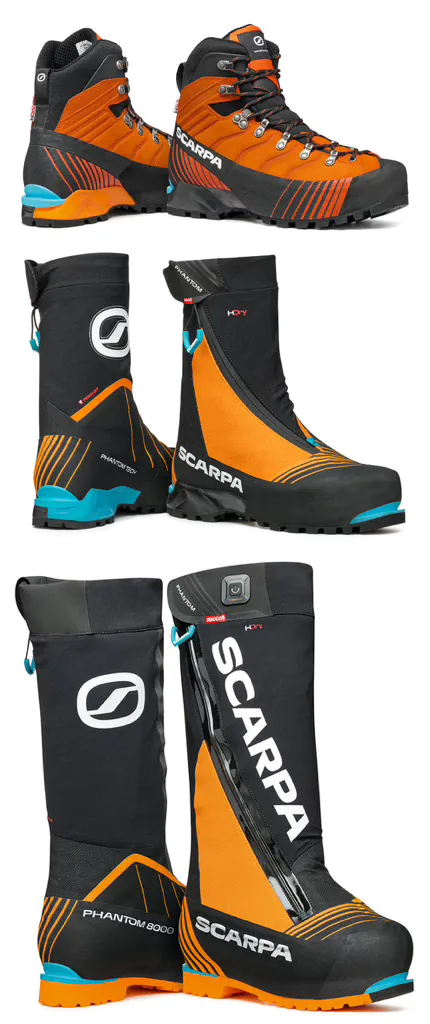
Single boots are a one-layer design, lighter and less insulated. B2 semi-automatic crampon compatibility. Suited for technical summer mountaineering up to around 5000 m. I use the Mammut Taiss Light Mid GTX in this category.
Hybrid boots combine multiple layers in a single construction with B3 automatic crampon compatibility. The right tool for technical mixed climbing, ice climbing, and winter objectives up to around 6000 m. My choice here is the Scarpa Phantom Tech.
Double boots have a removable inner boot for superior insulation at high altitude. B3 automatic crampon compatibility. Designed for 6000-8000 m+ expeditions where cold is the primary enemy.
On fit: mountaineering boots fit differently from hiking boots. Scarpa runs slightly wider than La Sportiva, which matters if you have a wider forefoot. Always try mountaineering boots with the socks you'll actually climb in, and check that toes don't curl at the front - circulation matters more in cold conditions than anywhere else.
On break-in: modern boots don't need months of suffering before they become usable. Some stiffness is expected and normal. Significant pain from day one means the fit is wrong. Don't assume it'll resolve itself.
On buying: mountaineering boots are genuinely expensive. For a first pair, buying used makes real sense. After every summer and winter climbing season there's an influx of barely-used boots from people who discovered alpine climbing wasn't for them. One or two outings on a €600 boot leaves it in near-new condition. Wait for those, bargain accordingly. The same logic applies to renting for a first alpine objective - there's no reason to invest heavily before you know whether you'll come back for more.
Outdoor footwear comparison table
| Type | Weight (g/shoe) | Price (€) | Comfort | Versatility | Durability (km) | Best Use |
|---|---|---|---|---|---|---|
| Trail-Running Shoes | 250-400 | 70–150 | High | Low | 500-800 | Day hiking, trail running |
| Hiking Shoes | 350-500 | 80–180 | High | Medium | 800-1200 | Light hiking, short backpacking trips |
| Hiking Boots | 500-800 | 100–300 | Medium | High | 1000-1500 | Moderate to rugged hiking |
| Backpacking Boots | 600-1000 | 150–300+ | Medium | Medium | 1500+ | Multi-day treks with loads |
| Approach Shoes | 300-600 | 80–200 | Medium | Medium | 800-1200 | Climbing approaches, scrambling |
| Mountaineering Boots | 500-1500+ | 200–700+ | Low | Low | 1500+ | High-altitude, icy climbs, crampon use |