Outdoor Clothing
Outdoor clothing can get as expensive as haute couture. It doesn't mean it will actually be better in any objective way. The goal here is smart better, not show-off better.
One rule before anything else: things get ruined in the outdoors. Keep that in mind before spending serious money on anything you're not sure you need yet. Most people starting out overbuy and overspend. With time you learn what comfort and functionality you actually need - and often it's much less than the gear industry and influencers want you to think.
This page goes layer by layer from the ground up. The principles matter more than the brands.
The layering system
Outdoor clothing works as a system of layers, each with a specific job. Get the system right and the individual pieces matter less. Get it wrong and no single expensive item fixes it.
Base layer: sits against skin, manages moisture, regulates temperature. Mid layer: insulates, traps body heat. Outer layer: protects against wind, rain, and snow.
Every layer needs to breathe. Breathability and moisture evaporation are the most important factors across all outdoor clothing. A layer that traps sweat makes you cold faster than no layer at all.
Underwear
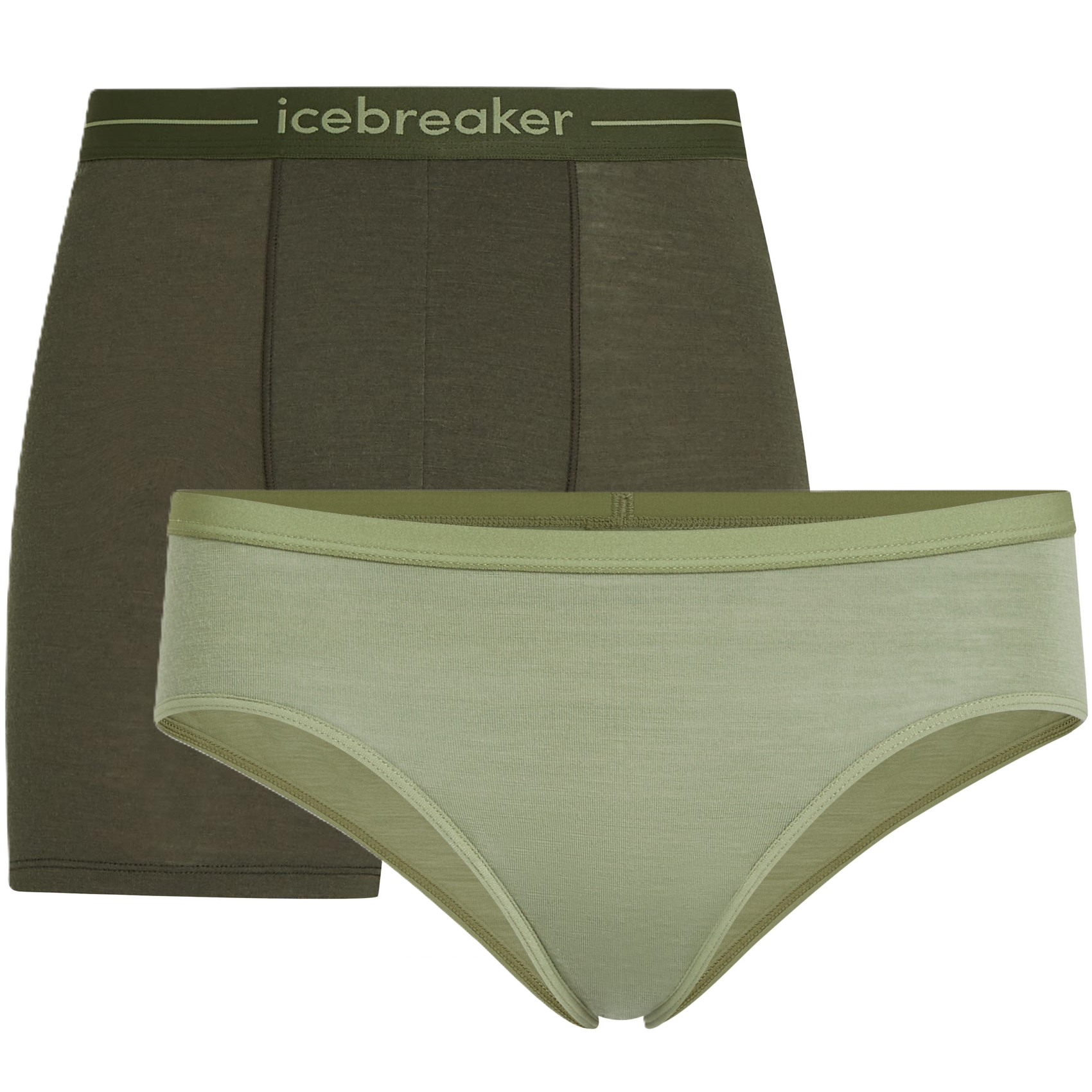
The first line of defence against sweat and irritation. It needs to be light, breathable, and able to move moisture away from the skin.
Merino wool, silk, or quality synthetics all work. Cotton does not - it absorbs moisture and holds it against your skin, which chills you the moment you stop moving. Bamboo is a better affordable alternative to cotton if merino is out of budget.
Good underwear costs more but you need very few pairs. On long trips, a wash and dry rotation of two or three pairs covers everything.
Socks
Possibly the most consequential piece of clothing on this list. Bad socks ruin feet, damage nails, and cause blisters that end trips early. Good socks are worth every cent.
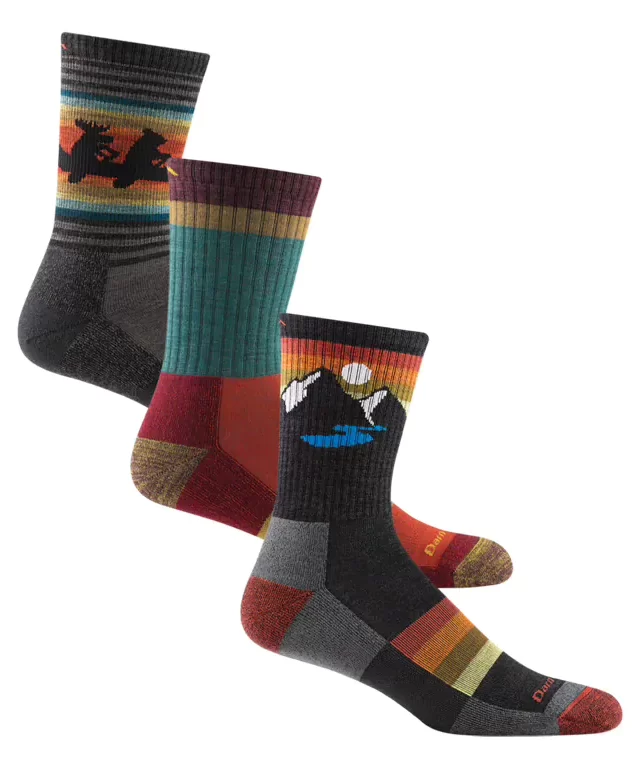
Merino wool blends cover 90% of needs. If you want a specific recommendation: Darn Tough makes some of the best merino hiking socks on the market and backs them with a no-questions-asked lifetime warranty. Buy once, replace for free when they wear out. That's both a financial and a sustainability argument.
The variables are height, weight, and cushion.
Height follows the boot. Crew or boot height works for most applications. No-show socks belong with trail runners on easy terrain, nowhere else.
Weight refers to yarn thickness - lightweight for warm conditions, midweight for most mountain use, heavyweight for serious cold.
Cushion should match the conditions. Full cushion is overkill for anything short of serious winter mountaineering. Partial cushion - more material in the right places - is the better balance for most use.
Base layer
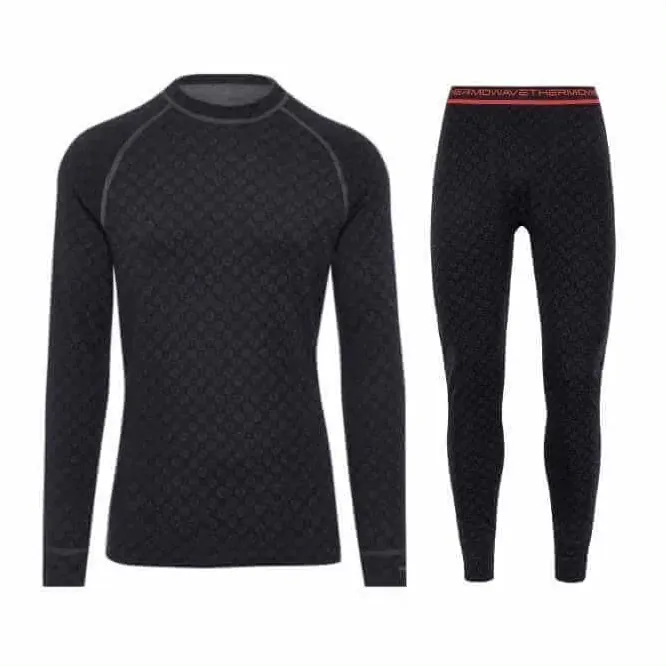
Base layer tops and pants are your thermal regulation system in cold conditions. The job is to retain warmth while moving moisture out and away from the skin. Merino wool does this better than anything else at this layer.
The range in merino thickness lets you match the base layer to the conditions and your own body heat. Some people run cold, some run hot. Know which you are before buying.
Not every outing needs a base layer. In warm conditions a good t-shirt does the job. Base layers earn their place when temperatures drop and sustained effort is involved.
T-shirts
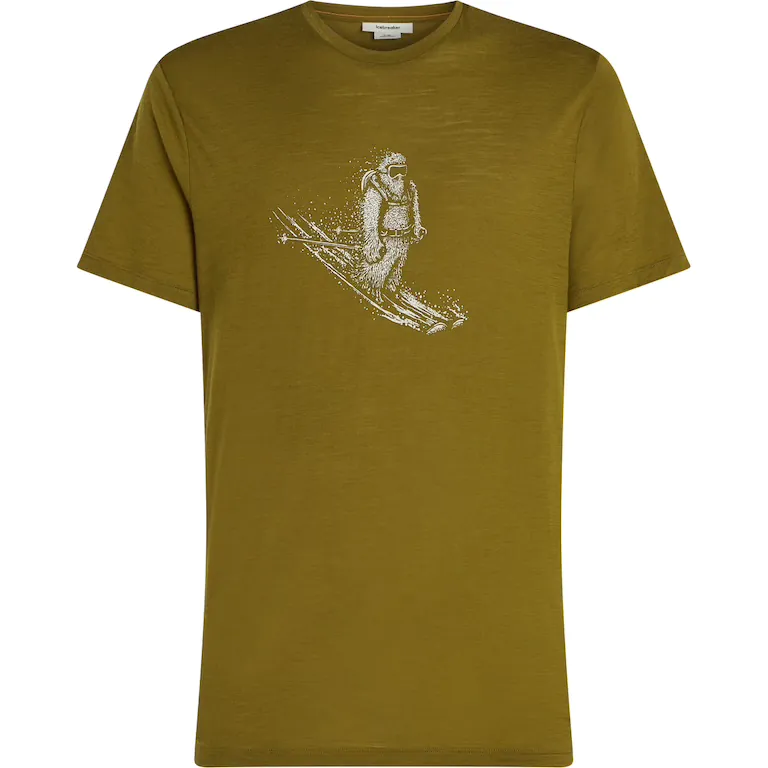
Light merino or quality synthetic. Breathable and quick-drying. No cotton.
Short sleeves cover most warm-weather use. One or two long sleeves are worth carrying in the mountains - they add sun protection and a layer of warmth when it's generally warm but breezy. Sun shirts, thin long sleeves with a hood, are the premium version of this and genuinely useful in exposed terrain.
Pants
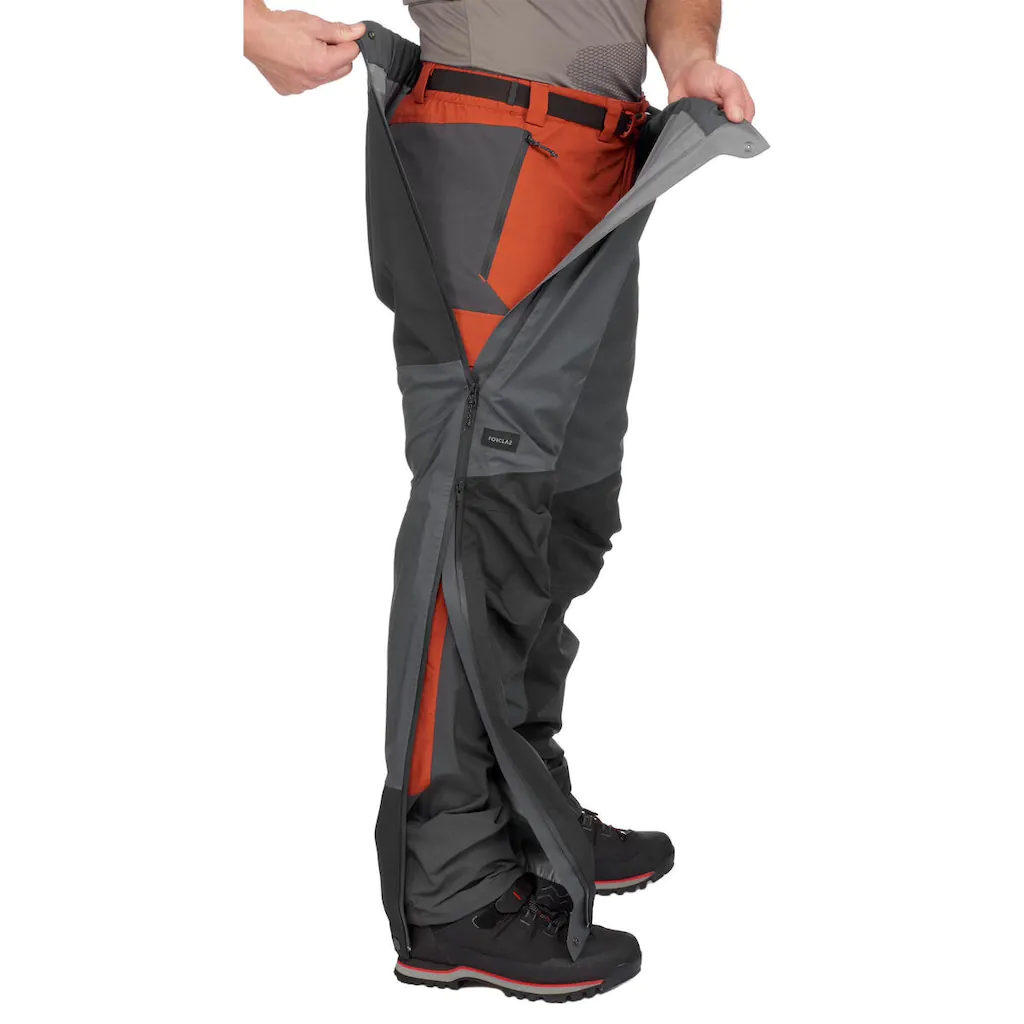
Lighter and more breathable fabrics work better than heavy ones for most mountain use. The approach that works: lighter pants as the main layer, waterproof overpants carried separately for sustained rain, merino base layer pants underneath when it's cold.
Pants take the most abuse on trail - abrasion, mud, rock contact. Don't spend heavily on something that will get destroyed. Durable and functional beats stylish and expensive here.
Fleece
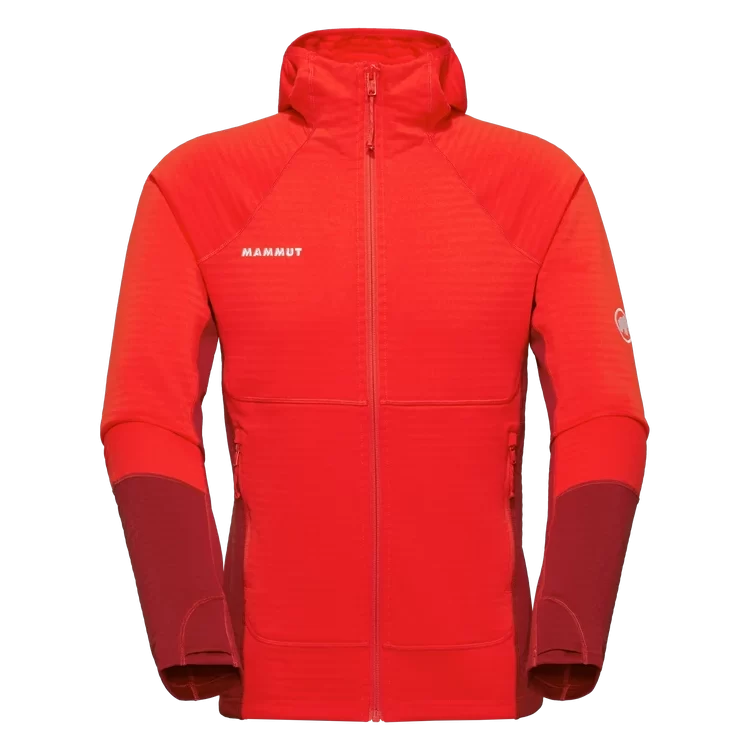
A basic midweight fleece covers most common needs and doesn't require significant investment. Make sure it breathes.
The case for spending more starts when you're going ultralight, doing serious mountaineering, or spending extended time in cold conditions. Technical fleece is better fitted, lighter, more compressible, and significantly more breathable than standard fleece. Often with a hood. The price reflects it. If you're serious about the mountains, a good technical fleece is one of the better investments in the kit - and a good gift target if someone asks what you need.
Rain Jackets
The one item you should never leave without. In the mountains, getting wet isn't just uncomfortable - it's a fast path to hypothermia. Your rain jacket is part of your safety system, not just your comfort system.
Rain ponchos are cheap and fine for emergencies or short low-stakes outings. They're not a real solution for mountain use - vinyl construction, no breathability, poor durability.
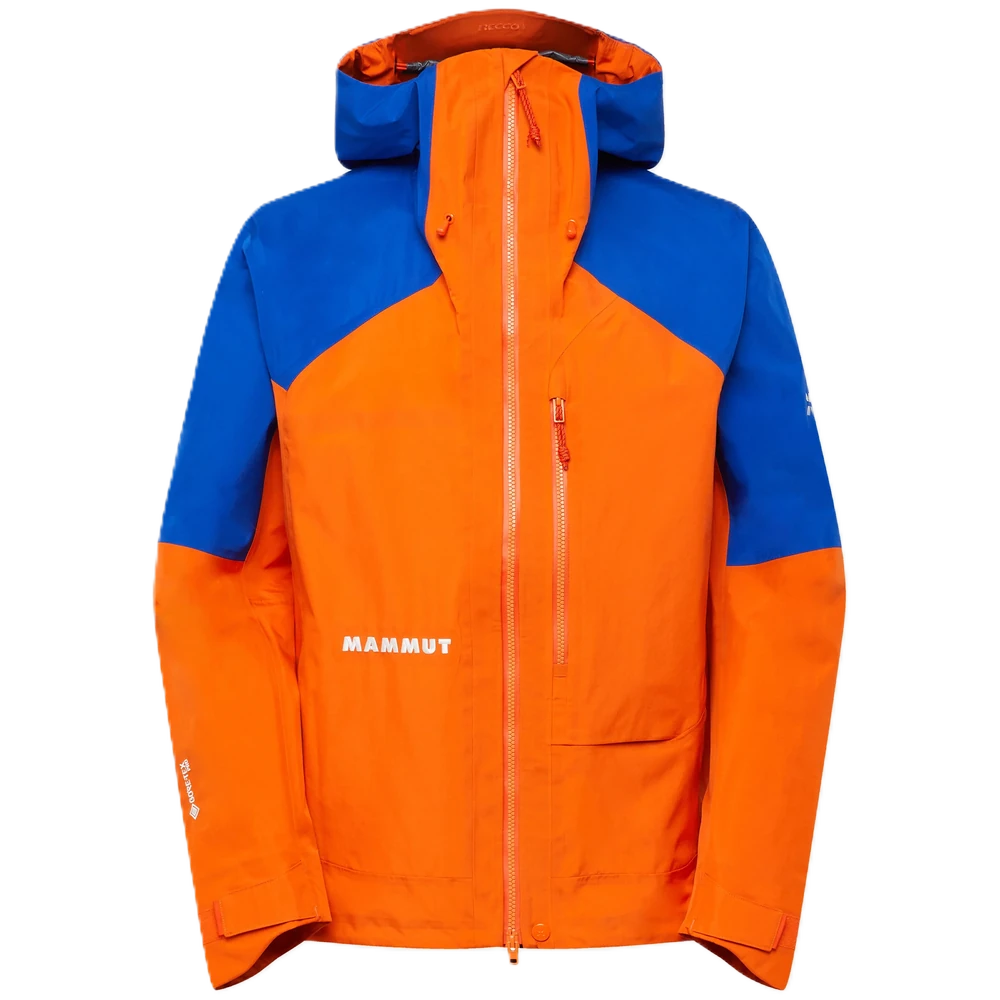
Waterproof jackets with Gore-Tex or equivalent membranes and sealed seams are the standard worth aiming for. They protect against rain while still breathing. Gore-Tex is the benchmark and the price reflects it - but hunting for a sale rather than paying full price is a legitimate strategy. Half-price Gore-Tex is still Gore-Tex.
Hardshell jackets are the top of the waterproof category - maximum durability, built for driving rain, snow, and wind. The right choice for serious mountaineering and alpine use.
Insulation layers
Once the base and mid layers are sorted, insulation fills the warmth gap between fleece and full expedition conditions.
Windbreakers handle wind and light rain without the weight of a full waterproof jacket. Useful for exposed ridges and high movement activity where a hardshell would overheat you.
Softshell jackets are stretchy, breathable, and comfortable across a wide range of conditions. Not fully waterproof but handle light rain and wind well. Good for active use where breathability matters more than full protection.
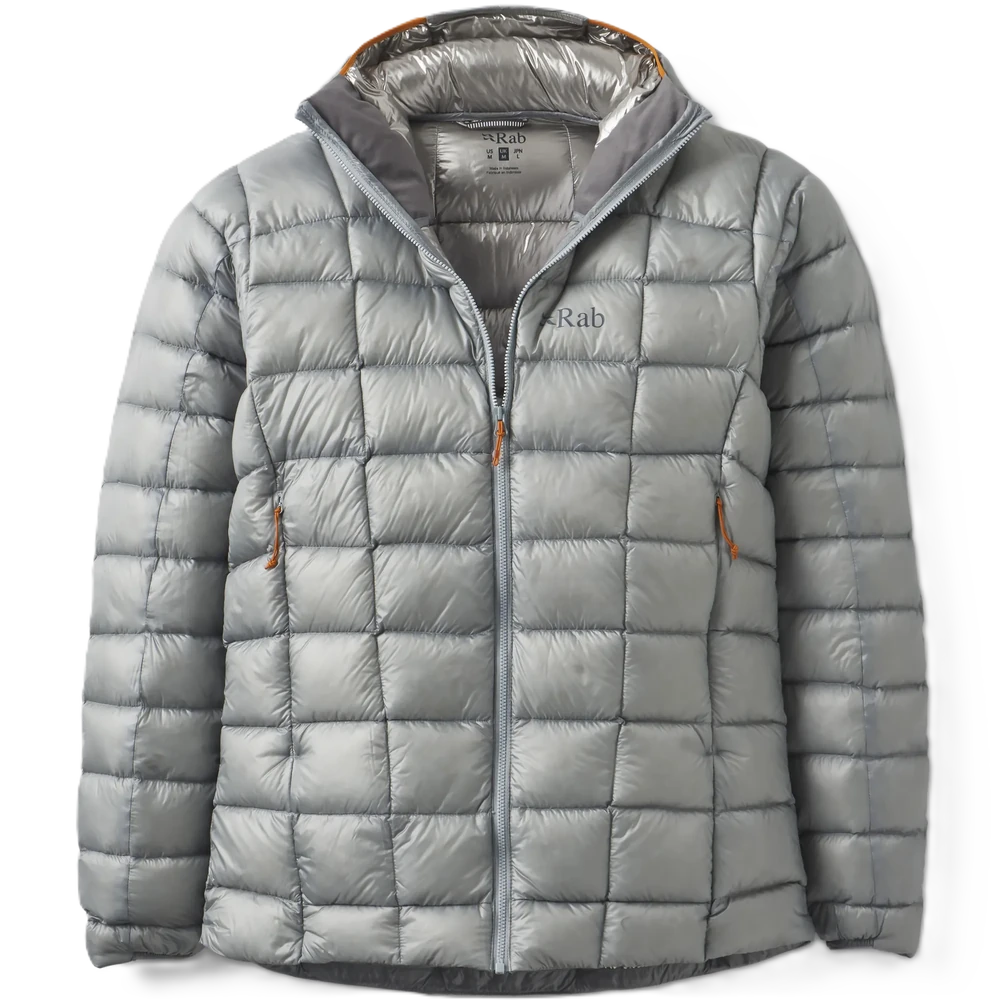
Down jackets are the warmth layer. Worn under a hardshell in wet conditions or alone in dry cold. Fill power determines warmth-to-weight ratio - higher fill power means lighter for the same warmth. Down beats synthetic on packability and warmth-to-weight but loses insulation when wet. Treated down reduces that risk.
Insulated jackets cover the middle ground - synthetic or down fill, reasonable weather resistance, without the cost of a dedicated hardshell plus separate puffy system. Good for moderately cold conditions and general mountain use.
Parkas combine hardshell protection with insulation in one garment. Warmer and more protective, heavier and less versatile. The right call for winter use and cold expedition environments where you're not mixing and matching layers.
Accessories
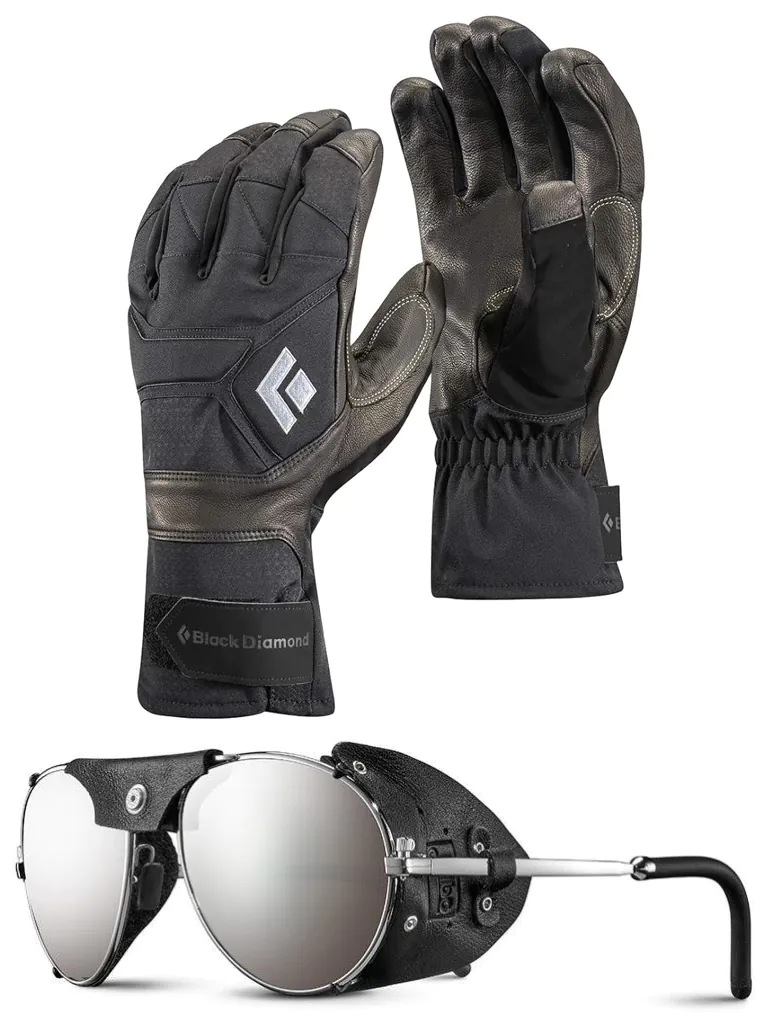
Gloves: you need at least two pairs. A thin liner for general use and layering, and a warmer pair for cold and mountain conditions. Down mittens are the extreme cold option and genuinely irreplaceable when temperatures drop seriously.
Neck gaiter: one of the most versatile pieces of kit you can carry. Worn a dozen different ways - around the neck, over the face, as a light balaclava. Thin merino is the right material.
Headwear: function first. A thin merino beanie covers most needs. In serious cold, a balaclava. Hoods from other layers reduce how much dedicated headwear you actually need to carry.
Eyewear: Category 3 UV protection is the minimum for any outdoor use. Category 4 with side protection is necessary for glacier travel and high-altitude mountaineering - UV intensity at altitude and on snow is serious. Photochromic lenses adapt to changing light conditions and reduce the need to carry multiple pairs.
What you actually need to start
You don't need everything on this page before your first outing. The non-negotiables are a rain jacket, appropriate footwear, and no cotton. Everything else can be built gradually, repurposed from what you already own, or bought secondhand. The industry and influencers are very good at convincing people they need more outdoor clothing than they do. Most of the time, they don't.