Ascenders
Ascending a fixed rope by hand is slow, exhausting, and technically demanding. Ascenders solve this with a toothed cam that grips the rope in one direction and slides freely in the other. The type you need depends entirely on what you're using it for: jumaring a big wall pitch, building a crevasse rescue system, or adding a rope grab to a hauling setup are three different problems with three different answers.
Every ascender uses the same basic mechanism: a spring-loaded cam with teeth that bite into the rope sheath when weighted and release when pushed upward. Load it and it locks. Unweight and push up and it slides. The teeth are sized for a range of rope diameters, so check compatibility before buying, especially if you're running thinner alpine ropes. Most ascenders are rated for 8-13mm ropes, but check the manufacturer specs for your specific device and rope combination. In cold and wet conditions, ice can build up on the cam and teeth, which is worth knowing if you're using one on a glacier or ice climbing.
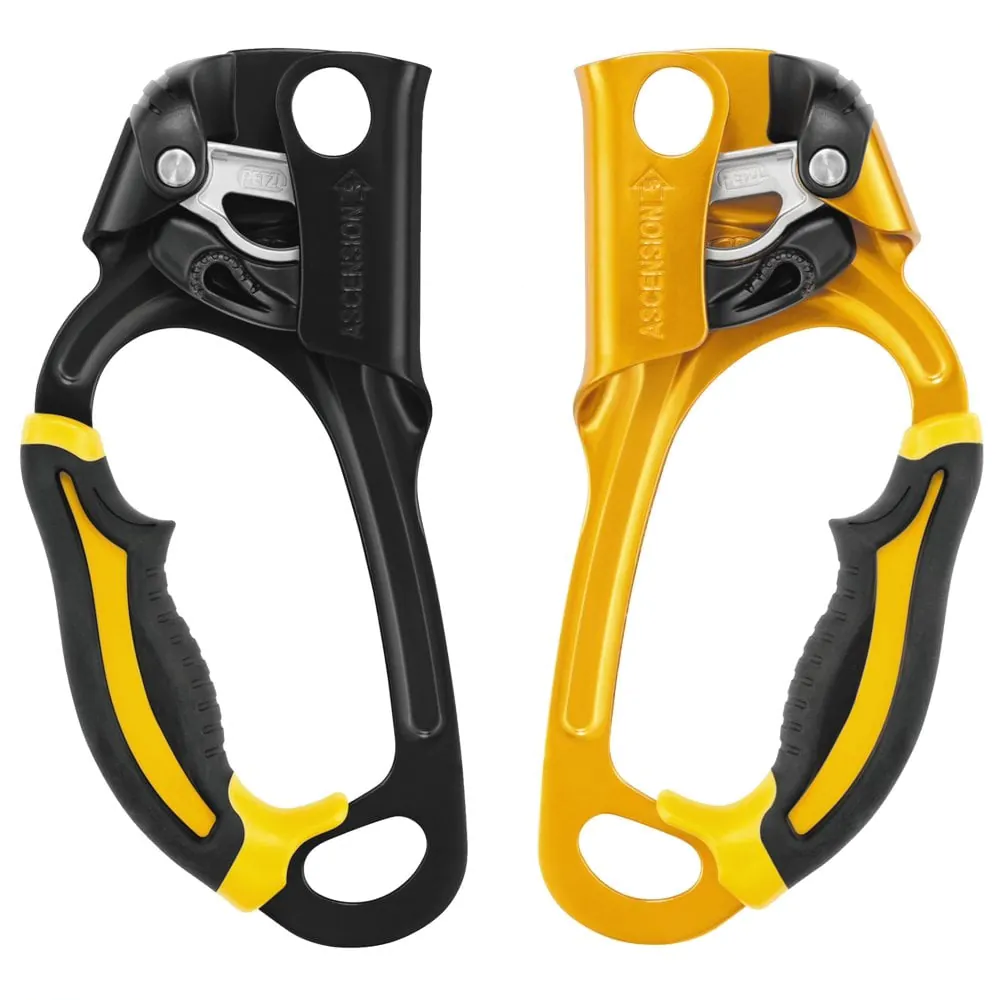
hand ascenders
The most ergonomic option for continuous rope ascending. Used in pairs, left and right handed, with a foot loop attached to the lower hole. The technique is straightforward: stand on one while sliding the other up, alternate. The handle makes long ascents manageable. These are the right choice for big wall climbing and any situation where you're spending significant time on a fixed rope.
Hand ascenders attach to the rope via a toothed cam that is spring-loaded to bite into the sheath. A hole at the upper end of the device allows a carabiner to be clipped around the rope.
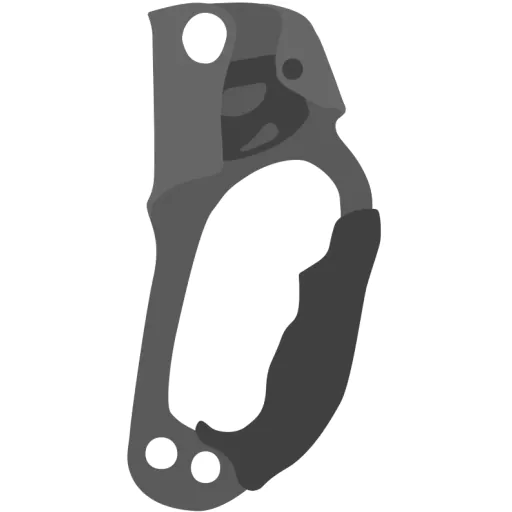
Chest & Compact Ascender
Chest ascenders clip to both the harness and a chest harness, creating a hands-free system that keeps the climber upright on the rope. Useful in caving and rescue contexts.
Compact or basic ascenders do the same job with less bulk. No proper handle, just an angled top you grip directly, which makes continuous ascents harder but keeps size and weight down. They can be added and removed from a loaded rope, which matters in hauling systems.
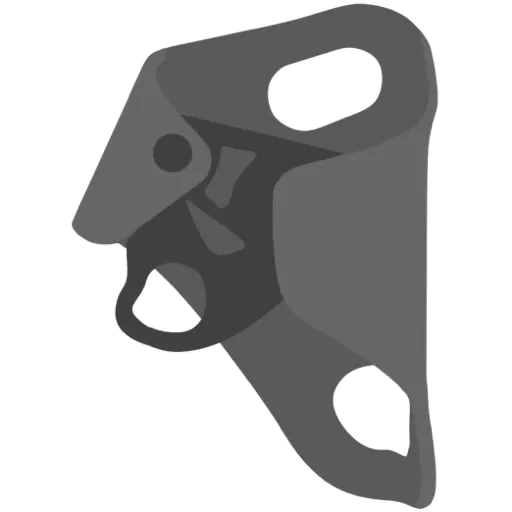
Rope Grabs & Capture Pulleys
These are system components more than standalone ascending devices. Small, light, and designed to be part of a larger rig rather than pulled on directly. A carabiner acts as the handle when you need to use one as a rope grab.
Capture pulleys integrate a pulley into the same unit, which allows them to function as a self-contained hauling system. This is what makes them useful in a crevasse rescue kit or for hauling gear, where you're building mechanical advantage with minimal gear.
I carry an Edelrid Spoc and a Petzl Tibloc. Both are compact enough to live in a glacier kit without adding meaningful weight, and between them they cover rope grab and pulley functions without duplicating gear.
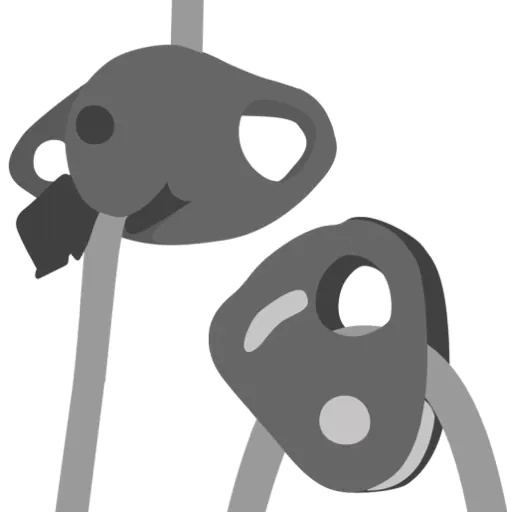
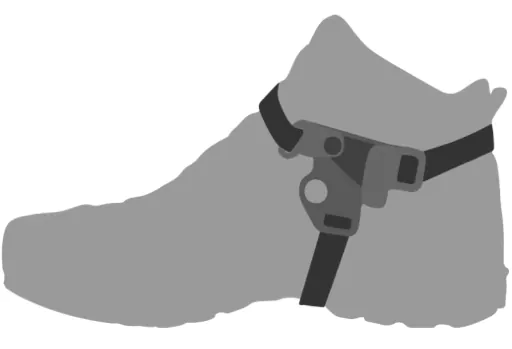
Foot Ascenders
Rarely used in climbing, more common in caving and rope access. Strap to the foot, operate with the same cam mechanism. Always used as part of a system, never alone. Not designed to catch falls and should never be used as personal protection.
More: ascender history
The CavingUK page on ascenders covers the history and mechanics in more depth than most climbing resources. Worth a look if you want to understand how the hardware evolved.