Backpacking tents
Tents got lighter. The prices dropped with them. There's no good reason to carry a 3 kg shelter into the mountains anymore.
This page covers alpine and backpacking tents. Car camping, glamping, multi-room setups - not here. The requirements are different and so is the gear.
How it works
A tent is three things: a structure that holds itself up, a barrier between you and the weather, and a floor that keeps you off the ground. How well it does each of those things depends on the poles, the fabrics, and the design. Everything else is a tradeoff between those three jobs and the weight you're willing to carry.
Most backpacking tents are double-wall: an inner tent with mesh or fabric panels, and a separate rainfly that goes over it. The gap between them reduces condensation buildup inside. Single-wall tents skip the inner - lighter, but condensation is a real issue in cold or humid conditions.

3-season or 4-season
3-season tents cover spring, summer, and autumn. They handle rain, moderate wind, and cold nights. Most backpackers never need anything else.
4-season tents are built for winter camping, expedition use, and high-altitude conditions. Fewer mesh panels, heavier fabrics, poles that can take snow load. They're heavier, less ventilated, and significantly more expensive.
Only buy a 4-season tent if you're actually mountaineering or winter camping regularly. If you're not sure whether you need one, you don't.
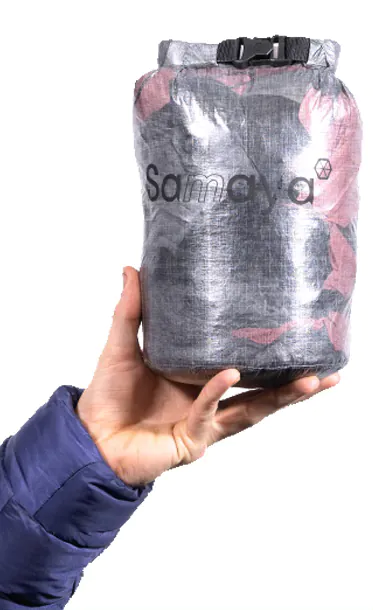
For serious alpine objectives where weight is everything and conditions are severe, purpose-built expedition tents exist at a different level entirely. The Samaya Alpinist2 Ultra is the benchmark - sub-kilogram for two people, rated for extreme conditions. The price reflects it.
Weight
This is where most people compromise too much, for no good reason.
Lightweight tent options have become genuinely affordable over the last few years. A solid 2-person tent under 1.5 kg is no longer an expensive luxury. Carrying a 2.5 kg tent because it was cheaper is a decision you'll feel on every long approach.
Weight classifications for a 2-person tent:
- Budget/standard: 2.2 - 3 kg
- Lightweight: 1.4 - 2.2 kg
- Ultralight: under 1.4 kg
The sweet spot for most backpackers is 1.4 - 1.8 kg. You get meaningful weight savings without the fragility and cost of true ultralight shelters.
Packed size matters too. Ultralight tents compress to almost nothing. Bulkier tents can eat a third of your backpack. Separate the poles from the body when packing and distribute the load between people if you're going with a partner.
I use a 3-person tent as a 2-person setup - extra space for gear and more comfortable sleep. At that size it's still light enough to not notice on the trail.
Freestanding or not
Freestanding tents hold their shape without stakes. You can pitch them on rock, hard ground, or anywhere staking isn't possible. They're easier and faster to set up.
Non-freestanding tents require stakes and often trekking poles to pitch. Done right, they're lighter. Done wrong, in bad terrain or bad weather, they're a problem.
If you camp on varied terrain, go freestanding. If weight is the priority and you're experienced with the setup, non-freestanding works. There's no reason to own a non-freestanding tent that weighs the same as a freestanding one.
Capacity
Tent capacity ratings are optimistic. A 2-person tent fits two people with no gear. A 3-person tent is genuinely comfortable for two.
Check the interior dimensions before buying. Some 2-person tents are 120 cm wide. Others are 135 cm. That difference matters when you're in there for twelve hours in bad weather.
Peak height determines whether you can sit up. Wall angle determines how much usable space you actually have. Steep walls give you more room than sloped ones of the same floor area.
Fabric and durability
Fabric strength is measured in denier (D). Higher denier means heavier and more abrasion-resistant.
- Lightweight tents: 15 - 30D
- Standard tents: 40 - 70D
Ultralight fabrics are genuinely delicate. If you're camping on rough or rocky ground, use a footprint - a groundsheet cut to the tent floor size. Some manufacturers include one, most sell it separately. You can make one from Tyvek sheeting for almost nothing. Cut it slightly smaller than the floor so it doesn't channel water underneath.
Weather protection
The rainfly should cover the full tent, not just the top. Partial flies are a compromise you'll regret in serious rain.
Seam sealing on the floor matters. Water comes from below in heavy rain and when ground is saturated.
Waterproofing is measured in hydrostatic head (mm). 3000 mm is the minimum for reliable rain protection. Most quality backpacking tents are 3000 - 5000 mm.
Ventilation works against waterproofing. Mesh panels and fly vents reduce condensation but reduce warmth. 3-season tents balance both. 4-season tents prioritize protection over airflow.
Price
- Budget: up to €200
- Mid-range: €200 - €500
- Premium / ultralight / expedition: €500 and up
Spend more if you use the tent frequently or in serious conditions. A quality backpacking tent looked after properly lasts a decade or more. The per-use cost of a better tent usually ends up lower than replacing a cheap one twice.
For alpine and expedition use the ceiling is high. The mentioned Samaya Alpinist2 Ultra sits around €1400. It earns that price at altitude. Yet it doesn't make any sense for weekend hiking.
Doors and storage
Two doors are worth the small weight penalty for a 2-person tent. No climbing over each other at 3am. Two vestibules mean double the gear storage outside the inner.
Interior pockets and loops are minor but useful on longer trips. Hanging a headlamp from the ceiling loop is one of those small things that makes a real difference at night.